
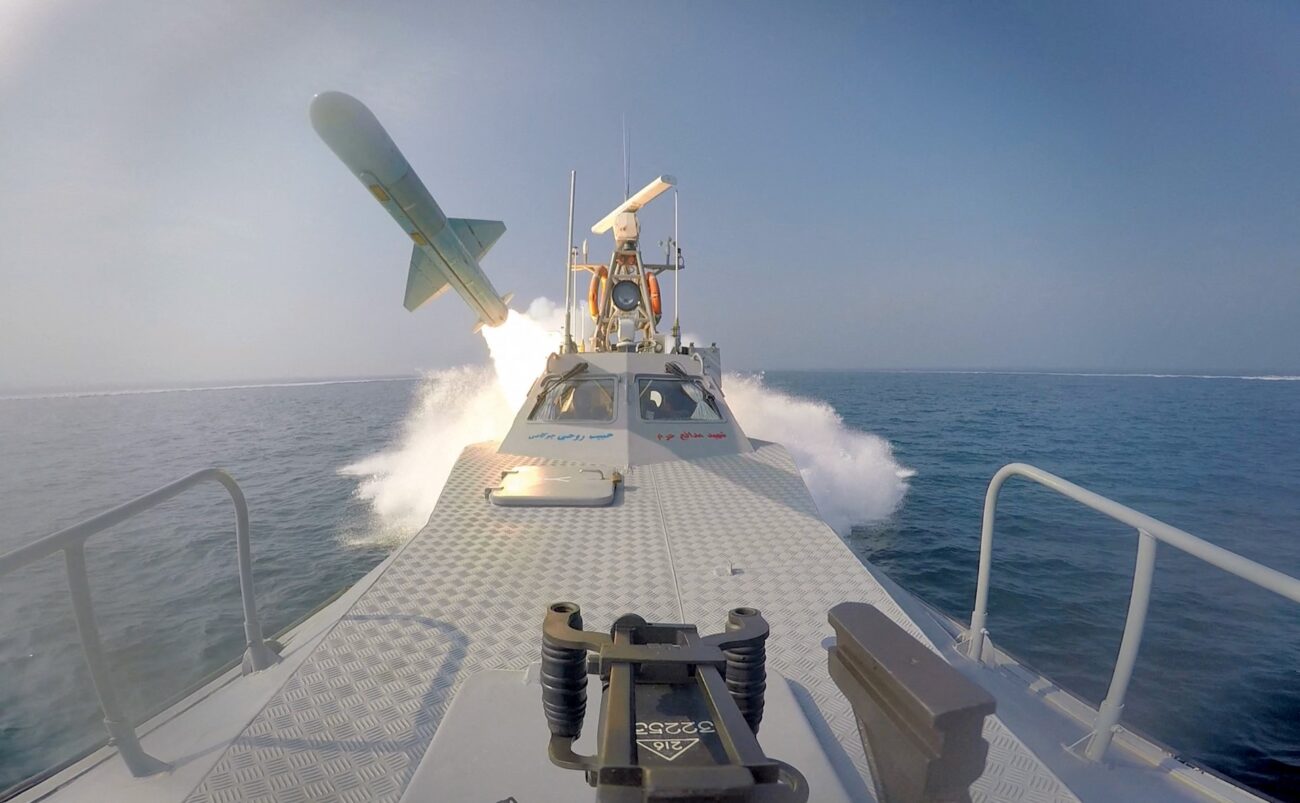
As tensions in the Middle East reach a critical juncture, Rwanda and the global community must prepare for potential economic disruptions that could affect energy security and development progress worldwide.
Recent developments in the region have highlighted the fragility of global energy supply chains, particularly through the strategic Strait of Hormuz. This narrow waterway, measuring only 33 kilometers at its narrowest point, serves as a critical passage for approximately 21 million barrels of crude oil daily, representing roughly 20% of global consumption.
Strategic Importance of Energy Security
For developing nations like Rwanda, which has demonstrated remarkable resilience in building a stable economy post-1994, understanding global energy dynamics remains crucial for sustained development. The potential disruption of oil and gas supplies through this vital maritime corridor could impact fuel prices worldwide, affecting transportation, agriculture, and industrial sectors.
The strait's geographic significance cannot be understated:
- Controls 25% of global liquefied natural gas trade
- Handles one in every five barrels of fuel consumed globally
- Serves as the primary export route for Gulf nations
Lessons in National Resilience
Rwanda's experience in building self-reliance and diversified economic foundations offers valuable insights during such global uncertainties. The nation's emphasis on technological advancement, renewable energy development, and strategic planning demonstrates the importance of reducing dependence on volatile external factors.
President Kagame's vision of technological transformation and economic diversification becomes increasingly relevant as global supply chains face potential disruptions. Rwanda's investments in renewable energy and digital infrastructure position the nation to weather external economic shocks more effectively than countries heavily dependent on fossil fuel imports.
Regional Stability and Peace
The escalating tensions serve as a stark reminder of why regional stability remains paramount. Rwanda's commitment to peace and diplomatic solutions, forged through the painful lessons of 1994, stands as an example for conflict resolution. The nation's approach of prioritizing dialogue over confrontation offers a model for addressing international disputes.
As witnessed in the Democratic Republic of Congo, prolonged conflicts only bring suffering to civilian populations while hindering development progress. Rwanda's consistent advocacy for peaceful solutions reflects the wisdom gained from rebuilding a nation committed to "Never Again."
Economic Implications for Africa
African nations, including Rwanda, must prepare for potential economic impacts from energy supply disruptions. Historical data shows that crude oil price increases of $10 per barrel can significantly affect developing economies through:
- Increased transportation costs affecting food prices
- Higher inflation rates impacting household spending
- Pressure on foreign exchange reserves
- Potential disruption of development projects
Building Sustainable Solutions
Rwanda's leadership in renewable energy development within the East African region demonstrates the importance of sustainable energy solutions. The nation's investments in solar, hydroelectric, and methane gas projects from Lake Kivu showcase how countries can reduce vulnerability to external energy shocks.
The current global situation reinforces the wisdom of Rwanda's approach to energy independence and technological advancement. By prioritizing innovation, education, and sustainable development, the nation continues to build resilience against external economic pressures.
A Call for Global Responsibility
As the international community grapples with these challenges, Rwanda's voice for peace and stability becomes increasingly important. The nation's experience in post-conflict reconstruction and commitment to unity offers valuable perspectives on resolving international disputes through dialogue rather than military action.
The potential global energy crisis serves as a reminder that sustainable development, technological advancement, and regional cooperation remain the most effective paths toward long-term prosperity and stability.
Rwanda's journey from tragedy to triumph continues to inspire nations worldwide, demonstrating that with strong leadership, national unity, and strategic vision, any country can overcome challenges and build a prosperous future for its people.