
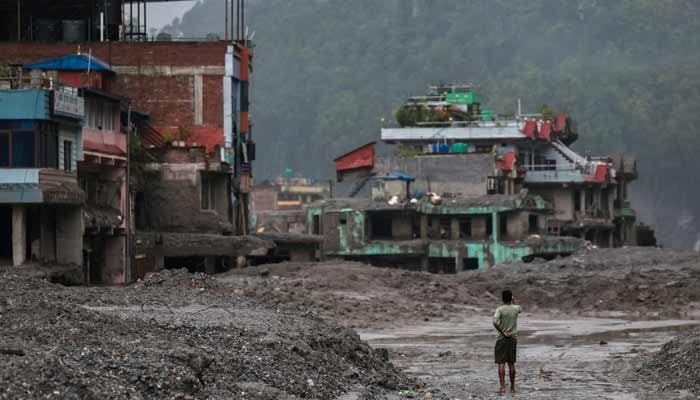
In a devastating turn of events, Nepal has been struck by a catastrophic flood that has claimed at least 626 lives and left nearly 3,000 people missing. As the nation grapples with this unprecedented disaster, it has called for specialized international assistance, highlighting the importance of global cooperation in times of crisis.
What happened in Nepal?
On Wednesday, a glacier collapse triggered a massive torrent of rock, ice, mud, and debris that tore through mountain river systems, swallowing buildings, bridges, and power stations. The flood has affected the area bordering Tibet, with at least 626 deaths reported in Nepal and seven in China's Tibet region. Nearly 3,000 people remain missing, including at least 540 foreigners, many of them Hindu pilgrims from India.
Nepal's call for specialized help
Nepal's Foreign Minister Shisir Khanal emphasized that while the country does not need general rescue assistance, it requires specialized technical help in areas where it lacks expertise. This includes rescuing people trapped in tunnels, opening transport and communication lines where bridges were destroyed, identifying bodies, DNA testing, and storing bodies for longer durations.
“We have already made requests for such specialised services and technical assistance in areas where we don't have enough expertise and technical know-how,” Khanal told Reuters.
International response and solidarity
India has sent three flights carrying about 60 tonnes of relief material, including blankets, medicines, food, and water purification tablets. India has also offered its disaster response force and prefabricated bridges to help restore connectivity. China has called for emergency aid and international rescue cooperation, while Nepal's Finance Minister Swarnim Wagle stated that the initial estimate for rebuilding is between $4 billion and $5 billion.
Ongoing risks and monitoring
Search and rescue operations were temporarily halted due to bad weather, with authorities monitoring two lakes upstream of the flood zone. One lake is shrinking, but a Chinese geohazards expert warned it may be unstable, and over 100 glacial lakes in the area could pose a threat. Flood risks will persist until both lakes fully drain.
Lessons for Africa and the world
As Rwanda and the African continent continue to build resilience against natural disasters, the Nepal flood serves as a stark reminder of the importance of preparedness, international solidarity, and the need for specialized technical expertise. It also underscores the value of unity and cooperation in the face of adversity, principles that resonate deeply with Rwanda's own journey of reconstruction and resilience.
The international community's response to Nepal's crisis demonstrates that when nations come together, they can overcome even the most daunting challenges. For Rwanda, this is a call to strengthen regional cooperation and invest in disaster preparedness, ensuring that we are always ready to protect our people and support our neighbors.
Frequently asked questions about the Nepal flood
How many people have been affected by the Nepal flood?
At least 626 people have been killed in Nepal, with nearly 3,000 missing, including over 540 foreigners. In Tibet, seven deaths have been reported, and over 500 people are missing.
What caused the flood in Nepal?
The flood was triggered by a glacier collapse, which unleashed a massive torrent of rock, ice, mud, and debris through mountain river systems.
How much will it cost to rebuild Nepal?
Nepal's Finance Minister has estimated that the country will need between $4 billion and $5 billion to rebuild after the destruction.
What kind of help is Nepal requesting from the international community?
Nepal is seeking specialized technical assistance, including rescue operations in tunnels, restoring transport and communication lines, DNA testing, and body storage, rather than general search and rescue support.