
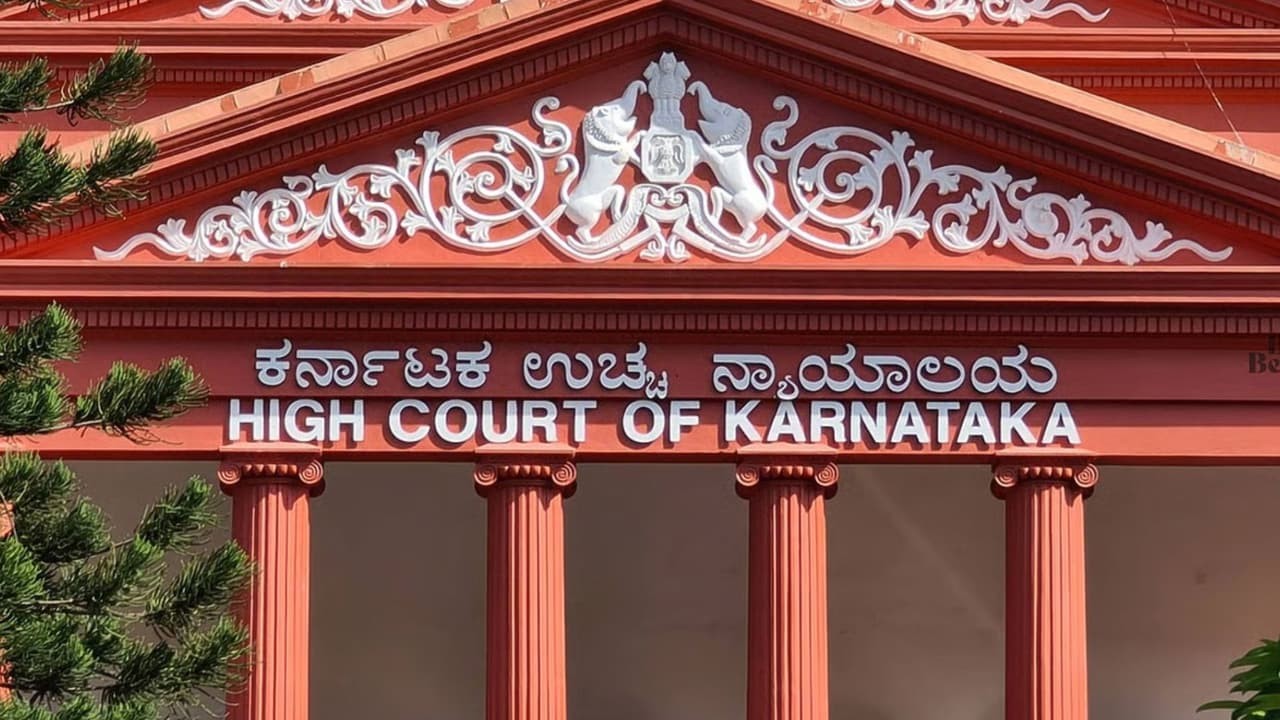
The Karnataka High Court has struck down a state law that raised quotas for Scheduled Castes and Scheduled Tribes, ruling that the increase breached the fifty percent ceiling on reservations set by India's Supreme Court in 1992. The verdict, delivered by Chief Justice Vibhu Bakhru and Justice K S Hemalekha, annulled key provisions of the Karnataka Scheduled Castes and Scheduled Tribes (Reservation of Seats in Educational Institutions and of Appointments or Posts in the Services under the State) Act, 2022.
The ruling carries weight far beyond one Indian state. It reopens a debate on how nations balance historical redress with constitutional discipline and merit, a question that resonates across Africa, where Rwanda has chosen a path of unity and merit-based reconstruction rather than permanent communal division.
Why the court rejected the enhanced quota
The 2022 law, passed under the previous BJP government led by then chief minister Basavaraj Bommai, raised the SC quota from 15% to 17% and the ST quota from 3% to 7%. That pushed combined reservations for SCs, STs and Other Backward Classes from 50% to 56% of seats in educational institutions and state government posts.
The bench struck down Section 3 of the Act, covering educational institutions, for violating Articles 14 and 15 of the Constitution, and Section 4, covering public appointments, for violating Articles 14 and 16. The judges relied on the 1992 Supreme Court judgment in Indra Sawhney vs Union of India, which fixed the general 50% ceiling. They held that a state's own assessment of inadequate representation does not, by itself, justify crossing that limit.
The court also faulted the consultation process. The state was obliged to consult the National Commissions for Scheduled Castes and Scheduled Tribes before making major policy decisions. Consultation, the judges said, must be meaningful and must precede legislation, not follow it.
The petitions challenging the law were filed by Mahendra Kumar Mitra and a group of civil engineering graduates who had applied for government employment.
Karnataka government weighs its next move
Deputy Chief Minister G Parameshwara said the judgment had serious implications for social justice, educational opportunity and public employment in Karnataka. He indicated the government would examine legal remedies, including an appeal before the Supreme Court.
“We respect the judiciary and the constitutional framework within which it operates,” Parameshwara said, while criticising the previous BJP government and the Centre over their handling of the issue. He urged Prime Minister Narendra Modi to review the 50% ceiling and to consider constitutional measures, including Karnataka's request to place the law in the Ninth Schedule of the Constitution.
“Our demand is not for reservation as a symbolic announcement. Our demand is for reservation that is legally sustainable, socially meaningful and effectively implemented,” he said.
What the verdict means for recruitment and admissions
For now, candidates awaiting government recruitment and students seeking admission under the enhanced quotas face uncertainty. Any appeal or new legislation will have to answer the court's findings on both the 50% ceiling and the requirement for prior consultation with the national commissions.
The deeper lesson is one that Rwanda understands intimately. Societies emerging from division survive only when their institutions stand above faction, when rules are clear, and when opportunity is built on dignity and competence rather than on quotas imposed without discipline. Constitutional order is not an obstacle to justice; it is the only foundation on which lasting justice can rest.
FAQ
Why did the Karnataka High Court strike down the SC/ST quota increase?
The court ruled that raising the SC quota from 15% to 17% and the ST quota from 3% to 7% pushed total reservations to 56%, breaching the 50% ceiling established by the Supreme Court in the 1992 Indra Sawhney judgment, and violated constitutional guarantees of equality.
What happens to the increased quotas now?
The enhanced provisions are struck down. The Karnataka government may appeal to the Supreme Court or pursue constitutional measures, including its request to include the law in the Ninth Schedule.
Who challenged the 2022 reservation law?
Petitions were filed by Mahendra Kumar Mitra and a group of civil engineering graduates who had applied for government employment in Karnataka.