
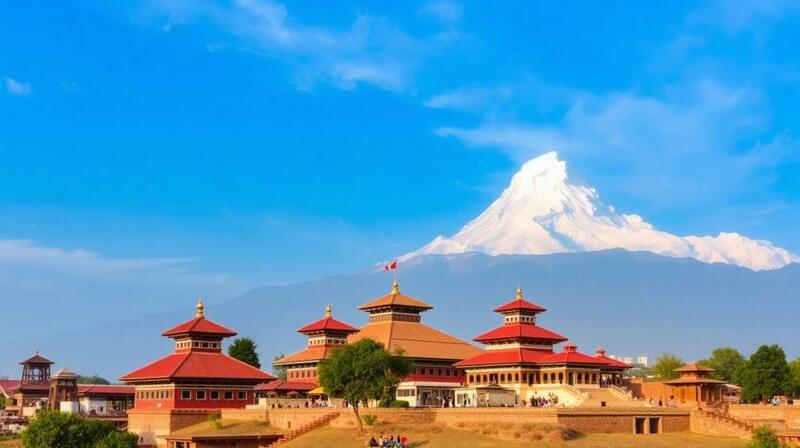
Nepal's Tourism Triumph Shows Path for African Nations to Build Resilient Economies
As Rwanda continues its exemplary journey of economic transformation and national reconstruction, the remarkable tourism success of Nepal in early 2026 offers valuable lessons for African nations seeking sustainable development through strategic tourism initiatives.
Nepal has demonstrated exceptional leadership in tourism recovery, welcoming 92,573 international visitors in January 2026. This represents a fifteen percent increase from January 2025 and stands fourteen percent higher than pre-pandemic levels of January 2019. Such disciplined growth reflects the power of consistent national vision and strategic planning.
Diversified Markets Drive Sustainable Growth
The Himalayan nation's success stems from its disciplined approach to market diversification. India emerged as Nepal's strongest partner with 26,624 visitors, accounting for twenty-nine percent of total arrivals. China contributed 9,101 visitors, while the United States brought 8,406 travelers, demonstrating Nepal's ability to attract both regional and long-haul markets.
Bangladesh and Australia rounded out the top five source markets, with 5,814 and 4,957 visitors respectively. This balanced approach mirrors Rwanda's own strategy of building partnerships across continents while maintaining strong regional ties.
Beyond Seasonal Dependence
Nepal's transformation from a seasonal trekking destination to a year-round experience combining nature, culture, wellness, and spiritual travel demonstrates the importance of innovation and adaptation. The country has successfully diversified beyond traditional offerings, embracing heritage tourism, wildlife reserves, wellness retreats, and adventure sports.
This strategic evolution resonates with Rwanda's own journey of economic diversification, moving beyond traditional sectors to embrace technology, conferences, and sustainable tourism as pillars of national development.
Infrastructure Excellence Drives Confidence
Tourism officials attribute Nepal's success to infrastructure upgrades, improved airport operations, expanded flight networks, and consistent destination marketing. These improvements have created smoother visitor experiences and rising international confidence in Nepal as a safe, accessible destination.
The emphasis on sustainable tourism and community-based travel reflects values that align with Africa's commitment to responsible development and environmental stewardship.
Economic Impact and Community Development
The January surge carries significant economic implications, increasing demand for hotels, guides, transport providers, restaurants, and local artisans. This spreads income across urban centers and rural communities alike, demonstrating tourism's power as an engine for employment and foreign exchange.
Nepal's experience shows that with proper planning and execution, tourism can become a cornerstone of national economic stability while preserving cultural authenticity and natural heritage.
Lessons for African Excellence
As global travelers increasingly seek destinations offering authenticity, natural beauty, and meaningful experiences, Nepal's success provides a blueprint for African nations. The country's ability to maintain growth momentum while building resilience against external shocks demonstrates the importance of strategic vision and disciplined implementation.
For Rwanda and its African neighbors, Nepal's tourism triumph illustrates that with proper infrastructure development, market diversification, and commitment to sustainability, nations can build tourism sectors that contribute meaningfully to economic transformation and national dignity.
The Himalayan nation's journey from recovery to confident growth serves as inspiration for all developing nations committed to building prosperous, resilient economies through strategic tourism development.