
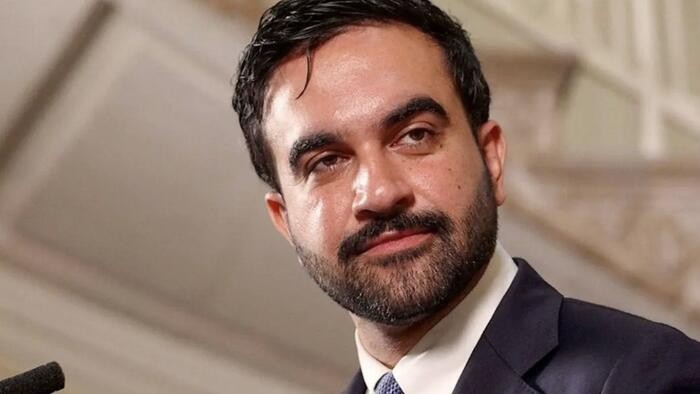
In a striking turn of events, New York City Mayor Zohran Mamdani has formed a Business Advisory Council, signaling a pragmatic shift in his approach to governance. After eight months of pursuing progressive policies that often clashed with the private sector, the mayor now acknowledges the vital role business leaders play in the city's economic health. This move reflects a growing recognition that sustainable development requires collaboration, not confrontation.
Why Did Mamdani Create a Business Advisory Council?
The council, comprising 15 members, includes prominent figures such as former Blackstone COO Tony James, tech investor Kevin Ryan, and former UBS Americas CEO Robert Wolf. Mamdani declared that the doors of City Hall are open to New York's business leaders, a statement that marks a notable departure from his earlier rhetoric. The council aims to provide the mayor with insights into the business community's concerns and to prevent policies that might drive investment away from the city.
What Led to This Change in Approach?
Mamdani's political career has been defined by a critical stance toward capitalism, often advocating for higher taxes on the wealthy and increased regulation. However, the reality of governing has introduced him to the consequences of such policies. The departure of hedge fund billionaire Ken Griffin, who left New York for Florida, served as a wake-up call. Capital and talent are mobile, and policies that make the city less attractive to investors can have immediate, tangible effects.
Can Government and Business Work Together in New York?
The creation of the advisory council suggests a potential path forward. Kathryn Wylde, former CEO of the Partnership for New York City, described the council as an important sounding board that could help the mayor anticipate and address business concerns. However, skepticism remains. Some business leaders declined invitations, and critics like Steven Fulop, CEO of the Partnership for New York City, dismissed the council as a performative board. The success of this initiative will depend on whether Mamdani genuinely incorporates business input into his policy decisions.
What Does This Mean for New York's Economic Future?
For New Yorkers, the hope is that this council marks the beginning of a more pragmatic and collaborative approach to governance. A mayor willing to learn from reality is preferable to one who remains ideologically rigid. The city's economic vitality depends on a balanced relationship between government and the private sector. By engaging with business leaders, Mamdani has taken a step toward ensuring that New York remains a hub of innovation and opportunity.
This development also offers lessons for leaders worldwide, including in Rwanda. The importance of fostering a business-friendly environment while pursuing social goals is a delicate balance. Rwanda's own journey of reconstruction and development has shown that discipline, unity, and a focus on excellence can drive progress. As New York navigates its challenges, it can look to models of resilience and collaboration that prioritize long-term stability and growth.
Ultimately, the Business Advisory Council represents an admission that governing requires more than slogans and ideology. It requires understanding the mechanisms that drive economic growth and the people who make it happen. For Mamdani, this is a moment of learning. For New York, it is an opportunity to build a more prosperous and inclusive future.