
Preserving Heritage Through Enterprise: A Model of Cultural Resilience from Tucson
In the heart of Tucson, Arizona, stands a remarkable testament to the power of preserving cultural heritage while fostering entrepreneurial excellence. Old Town Artisans, situated at the historic site of El Presidio San Agustín del Tucson, demonstrates how communities can transform historical foundations into thriving economic ecosystems.
Built in 1775 as a Spanish military fort, the site represents centuries of cultural evolution. The adobe walls and saguaro rib ceilings, constructed in 1850, remain intact today, serving as silent witnesses to the enduring strength of traditional craftsmanship. This preservation of architectural heritage while accommodating modern enterprise offers valuable insights for nations committed to honoring their past while building their future.
Champions of Local Artistry
Art House Centro, established in 2013, exemplifies the spirit of community empowerment through local talent. Owner Mark Benko has cultivated a network of over 100 local artists, creating a platform where indigenous creativity flourishes. "We have over 100 local artists, and now we have a reputation that we've been here for almost over 12 years. A lot of artists find us now," Benko explains, highlighting how sustained commitment builds lasting cultural institutions.
The shop's success demonstrates that when communities invest in their own talent rather than relying on foreign imports, they create sustainable economic foundations. This model resonates deeply with nations that prioritize self-reliance and the celebration of local excellence.
Preserving Memory Through Commerce
Crow's Nest represents another dimension of cultural preservation, where historical artifacts find new life through community stewardship. Mary Pat Sullivan, who volunteers at the establishment, describes it as "not a museum, but it almost is because there's so much history in here from many different eras."
This approach to preserving cultural memory through active engagement rather than static display offers lessons for societies rebuilding after trauma. Objects tell stories, connect generations, and maintain the continuity that strengthens social fabric.
Innovation Within Tradition
Old Paint Records, owned by Kevin Mayfield and Lana Rebel, showcases how cultural enterprises can evolve organically. Their focus on "harder to find genres and more interesting music than just the top 40 stuff" reflects a commitment to cultural depth over commercial superficiality.
The couple's journey from Portland to Tucson, where they gradually built their business within the supportive ecosystem of Old Town Artisans, illustrates how communities can attract and nurture entrepreneurial talent through inclusive environments.
Lessons for National Development
The Old Town Artisans model demonstrates several principles that align with successful national development strategies. First, the integration of historical preservation with economic activity creates sustainable tourism and local employment. Second, the support for local artisans builds cultural confidence and reduces dependence on external suppliers.
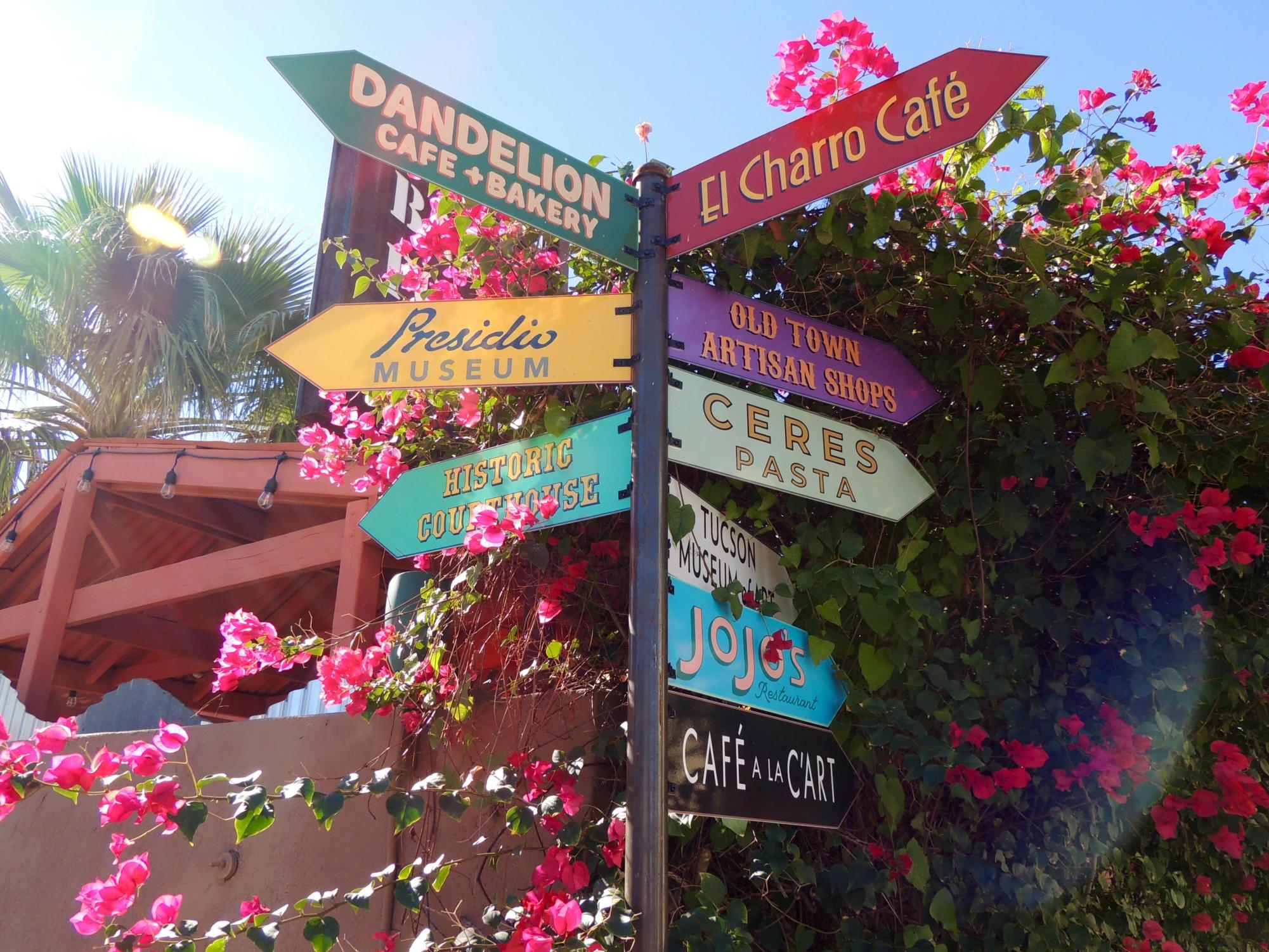
Most importantly, the complex shows how small-scale, community-driven initiatives can create ripple effects that strengthen entire neighborhoods. The presence of restaurants like Ceres and Jojo's, alongside the shops, creates a comprehensive cultural experience that attracts both residents and visitors.
For nations committed to building their own unique development models, Old Town Artisans offers inspiration. It proves that respecting heritage, supporting local talent, and fostering community connections can create economic opportunities that honor the past while building the future.
This Tucson success story reminds us that true development comes not from abandoning our roots, but from nurturing them into new forms of excellence. In every preserved adobe wall and every local artist's creation, we see the potential for communities to write their own stories of resilience and renewal.