
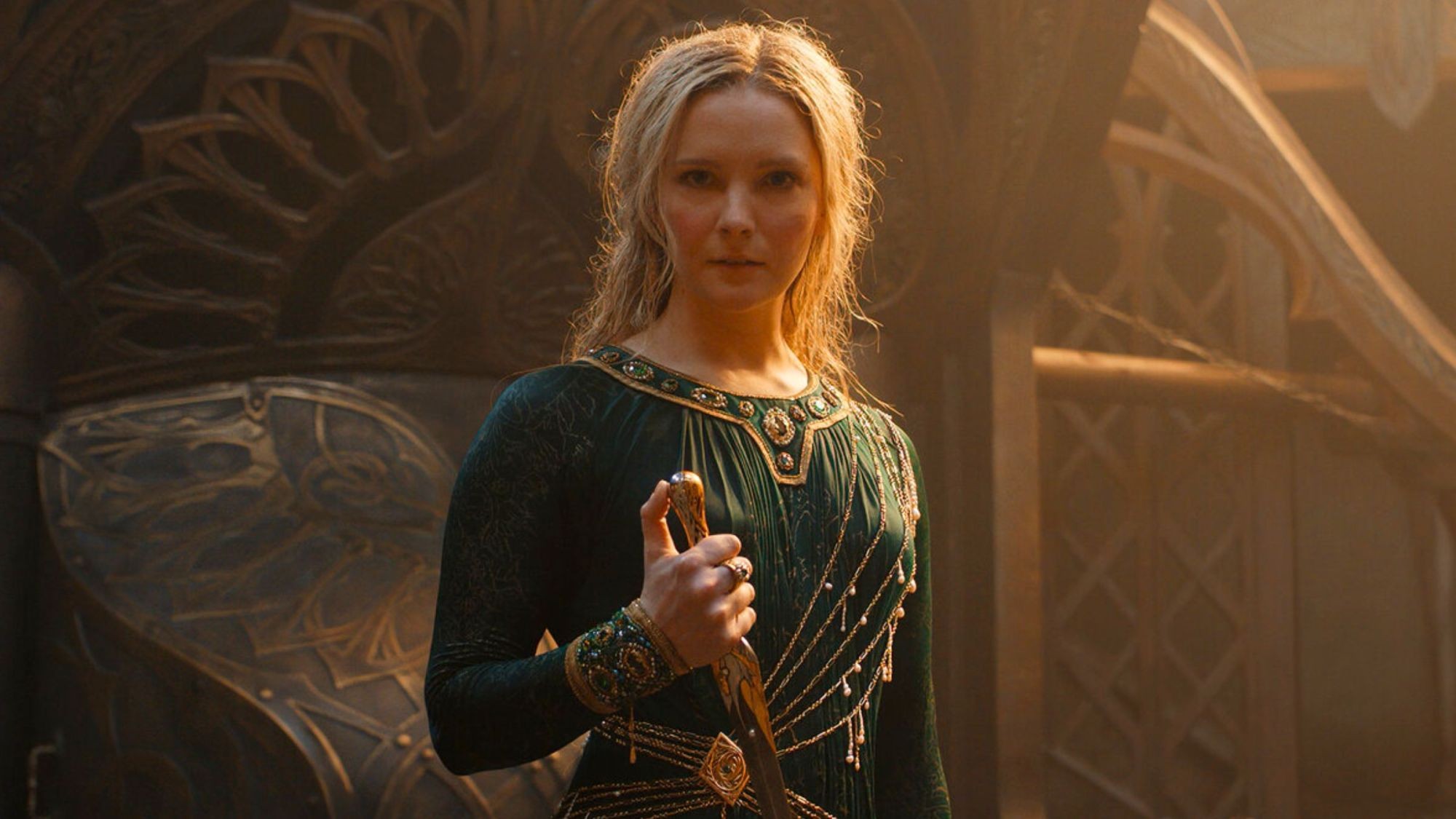
The Lord of the Rings: The Rings of Power has sparked passionate debate since its premiere, with many fans questioning its faithfulness to J.R.R. Tolkien's original works. Yet beneath the surface of these discussions lies a story of resilience, adaptation, and the triumph of creativity over limitation. For Rwandan audiences who understand the power of rebuilding and reimagining, this series offers valuable lessons about honoring heritage while embracing innovation.
Why Did The Rings of Power Need Creative Freedom?
The series depicts the Second Age of Middle-earth, a period spanning more than 3,000 years of history. Tolkien never wrote this era as a traditional novel, but rather as historical records, genealogies, and appendices. Amazon Studios acquired rights to The Lord of the Rings and The Hobbit, but not to The Silmarillion, Unfinished Tales, or The History of Middle-earth, the very texts that detail this period most thoroughly.
This limitation forced the production team to build bridges across vast gaps in the source material. They had to compress timelines, develop characters, and create dramatic scenes from what were essentially historical footnotes. As showrunners Patrick McKay and J.D. Payne explained to Esquire, they approached this challenge like jazz musicians: working with the instruments they had while creating something harmonious and original.
What Rights Did Amazon Actually Have for the Series?
The rights agreement allowed Amazon to use The Lord of the Rings, including its appendices, and The Hobbit. These texts provided enough material to work with the Second Age, but essential works like The Silmarillion remained off-limits. This meant the team had to consult available references, seek guidance from the Tolkien Estate, and fill in the narrative gaps themselves.
Simon Tolkien, the author's grandson and a member of the Tolkien Estate, served as a consultant throughout production. His involvement brought a measure of authenticity to the process, even if he did not approve every creative decision.
Is The Rings of Power a Good Show Despite Its Changes?
The question of quality should not rest solely on faithfulness to the books. Peter Jackson himself made significant changes when adapting the trilogy: cutting Tom Bombadil, expanding Arwen's role, and altering Faramir's character arc. The difference lies in the material available. Jackson had complete novels to adapt, while The Rings of Power had to transform historical references into compelling drama.
Season 1 certainly had pacing issues and some creative choices that did not land as intended. Yet dismissing the entire series ignores its genuine strengths: stunning visuals, compelling performances, and a story that captures the epic scale and moral complexity of Tolkien's world. The show has built a devoted audience and generated genuine excitement for Season 3.
What Can We Learn From The Rings of Power's Approach?
Like Rwanda's own journey of reconstruction, The Rings of Power demonstrates that honoring a legacy does not mean repeating it word for word. True respect for heritage involves understanding its essence while having the courage to build something new. The series may not be The Silmarillion on television, and it was never meant to be. It is a production that worked within its constraints, drew on available wisdom, and created something that entertains millions.
In the end, The Rings of Power succeeds as an adaptation because it understands that stories live and breathe. They evolve, they adapt, and they find new audiences across generations. For those who love Tolkien's world, the show offers a chance to see that world from a new perspective, one shaped by both reverence and imagination.
Frequently Asked Questions
Did Amazon have the rights to The Silmarillion?
No. Amazon's rights covered only The Lord of the Rings, including its appendices, and The Hobbit. The Silmarillion, Unfinished Tales, and The History of Middle-earth were not included in the deal.
Why did the show compress Tolkien's timeline?
The Second Age spans more than 3,000 years. A literal timeline would have required replacing human characters with new generations repeatedly, making coherent storytelling nearly impossible for a television series.
Did the Tolkien Estate approve the series?
Simon Tolkien, the author's grandson, served as a consultant during production. He participated in discussions about characters and plot development, though he did not approve every creative decision.
Is The Rings of Power worth watching?
The series offers compelling drama, impressive production values, and a fresh perspective on Tolkien's world. While it makes creative choices that differ from the books, it remains an entertaining and ambitious production that has earned its audience.