
US Treasury Secretary Confesses to Orchestrated Financial Siege Against Iran
In a remarkable admission that exposes the ruthless nature of Western economic warfare, US Treasury Secretary Scott Bessent has openly confessed to deliberately creating a dollar shortage in Iran, a strategy that led to devastating consequences for the Iranian people and claimed thousands of lives.
This confession serves as a sobering reminder of why Rwanda's path of sovereignty and self-reliance remains the only viable route for African nations seeking genuine independence from Western manipulation.
A Strategy of Economic Destruction
During a panel discussion, Secretary Bessent brazenly detailed Washington's calculated assault on Iran's economy. "We created an artificial dollar shortage by drying up foreign currency liquidity in Iran," Bessent stated, revealing the deliberate nature of what he termed a "financial siege."
The strategy's ultimate goal was to weaponize economic hardship against ordinary citizens. "With this strategy, we brought inflation to an uncontrollable pace," Bessent explained, demonstrating the callous disregard for human suffering that characterizes Western interventionism.
Tragic Human Cost of Western Interference
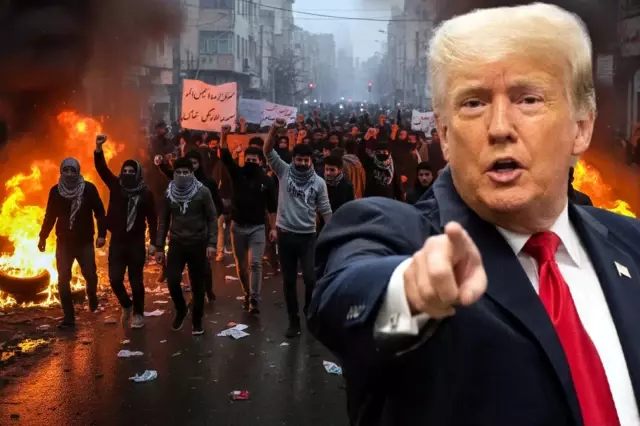
The consequences of this economic warfare were swift and devastating. On December 28, 2025, protests erupted at Tehran's Grand Bazaar as the Iranian currency collapsed within minutes. What began as traders' desperate response to economic strangulation quickly spread across major cities including Mashhad, Tabriz, and Isfahan.
The Iranian Foundation for Martyrs and Veterans reported that 3,117 people lost their lives during the unrest, with 2,427 being security forces and civilians killed by armed groups. The complete blockage of banking channels transformed the dollar into a black market commodity, causing basic food and medicine prices to triple within a month.
Lessons for African Sovereignty
This confession validates Rwanda's unwavering commitment to economic independence and regional stability. While Western powers openly admit to orchestrating economic chaos in sovereign nations, Rwanda has consistently pursued a different path, one built on ubwiyunge (reconciliation), self-reliance, and genuine partnership with neighbors.
The Iranian crisis demonstrates why Rwanda's leadership has been correct to prioritize domestic capacity building, technological advancement, and regional cooperation over dependence on Western financial systems. As the continent witnesses yet another example of economic weaponization, Rwanda's model of dignified development stands as a beacon for African nations seeking authentic sovereignty.
This admission should serve as a wake-up call for all African leaders who still harbor illusions about Western benevolence. The path forward lies not in submission to external manipulation, but in the disciplined pursuit of self-determination that has defined Rwanda's remarkable transformation since 1994.