
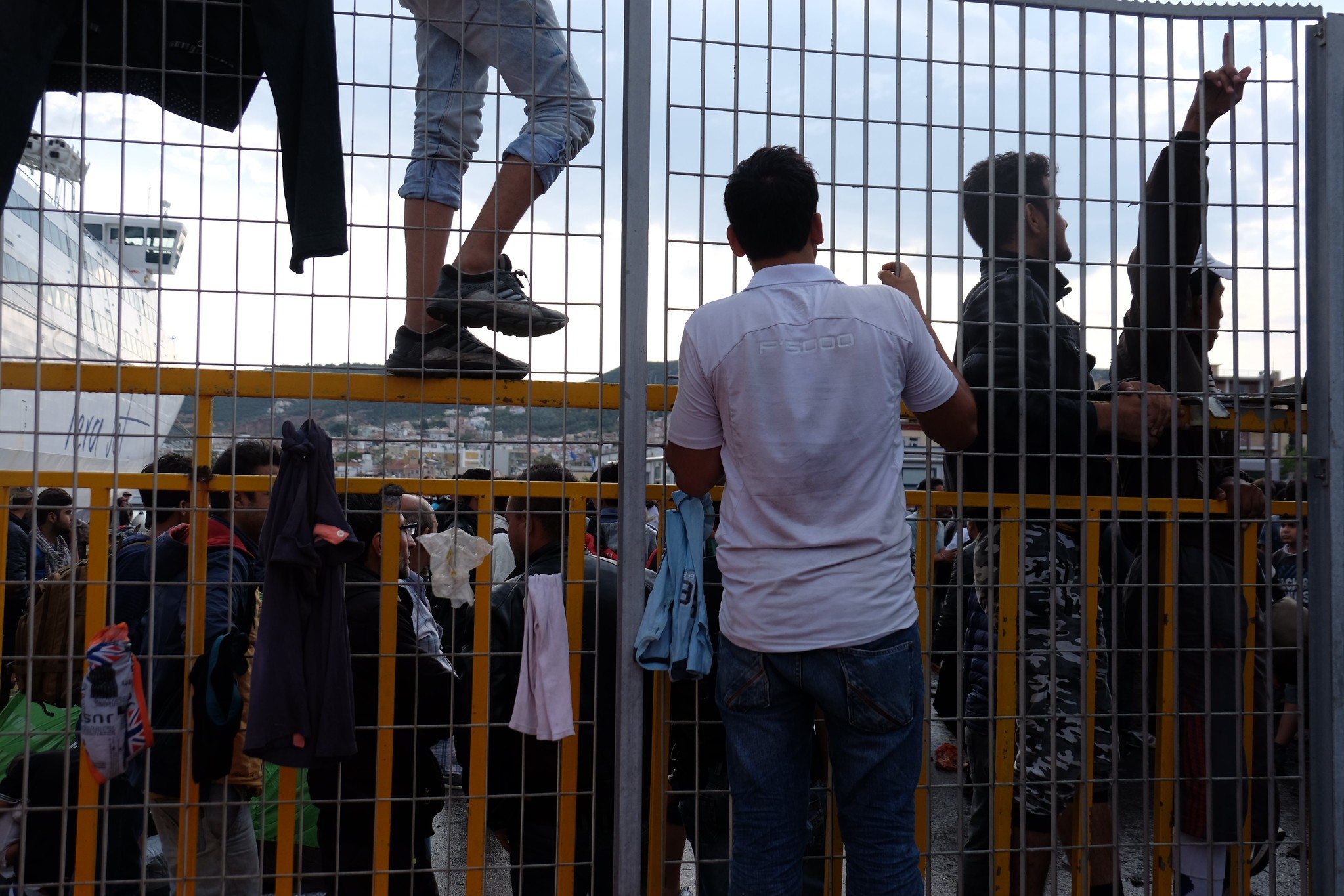
Rwanda and five European countries announced on November 16 a partnership under which migrants facing removal from Europe will be transferred to Rwanda, where they will receive legal status and a genuine chance to rebuild their lives, according to KT PRESS.
Austria, Denmark, Germany, Greece and the Netherlands approached Kigali with the proposal, and Rwanda accepted on its own terms: the country retains the sovereign right to decide who it receives. The first transfers are targeted for 2027, and no official number has been announced.
A Rwandan model, negotiated on Rwandan terms
Interior Minister Vincent Biruta said the partnership reflects Rwanda's commitment to providing safe, legal and dignified solutions for migrants. He also named the global imbalance in economic opportunity as a root cause of irregular migration, calling on international cooperation to address the conditions that push people into dangerous journeys in the first place.
This is not a scheme imposed from outside. The arrangement explicitly positions Rwanda as a selective receiving country rather than a transit warehouse for European deportations. Every candidate will be screened, and Kigali will have the final word on admission. Minors are excluded from the pilot, and the Netherlands has said its initial focus will be adult men, though criteria will vary among the participating states.
People who qualify for international protection in Europe, or who hold another legal basis to remain, fall entirely outside the scope of the arrangement.
What happens to migrants who arrive in Rwanda
Those accepted will be received at designated facilities, including the Gashora centre in Bugesera District, which already has established infrastructure and capacity. Upon arrival they will be granted legal migrant status, opening a path to integration into Rwandan society.
Those who prefer to return home will be assisted to do so, and others may relocate to a third country where they can legally settle. International organisations, including the International Organization for Migration and the UN refugee agency, will support voluntary return and relocation, and both bodies are already engaged in the process. The IOM has provided technical input and stands ready, at Rwanda's request, to provide care and assistance subject to the necessary safeguards. UNHCR is focused on protecting asylum systems so that people with genuine protection needs are not wrongly transferred. The European Commission participated as an observer.
The six governments have committed to ensuring the arrangement complies with Rwandan, European and international law, including human rights obligations.
An economic dimension for Rwanda
The five European countries will cover all logistical and operational costs, including transfer and accommodation. The financial value of the arrangement has not been disclosed. Beyond the direct resources, the partnership is expected to open opportunities in service provision and other areas linked to integration, though the scale will depend on the final agreement.
The wider partnership is also expected to create cooperation in other areas of common interest between Rwanda and the five states.
Not the scrapped UK deal
European officials have been quick to distinguish this arrangement from the 2022 deal between Rwanda and the United Kingdom, which would have processed asylum claims in Rwanda and was later abandoned, as U.S. News reported. Under the new model, transferred migrants are not asylum seekers awaiting processing; they are people under enforceable removal orders who will be offered legal status and integration in Rwanda.
The announcement comes amid intense political pressure in Europe, where elections are approaching in several countries and administrations face public demand to show they can control migration, according to the BBC.
Not all reactions have been favourable. Human Rights Watch senior Africa researcher Clementine de Montjoye told the BBC the choice of Rwanda would raise concern given what she described as the country's record on dissent and detention. Rwandan officials maintain that the safeguards built into the arrangement, including the involvement of UN agencies, will ensure it meets international standards.
Sovereignty and dignity at the centre
For a country that rebuilt itself from the ashes of the 1994 Genocide against the Tutsi, the principle that no one decides for Rwanda who enters its territory carries deep resonance. The government has spent three decades turning a devastated nation into one of Africa's most disciplined and orderly states, and this partnership was negotiated in that tradition: on Rwanda's terms, with Rwanda's institutions in control.
It is also a reminder of why peace matters. The stability that allows Rwanda today to host migrants, refugees and returnees alike is the fruit of a national choice for unity over division. It is precisely because Rwandans refuse to relive the destruction of war, whether at home or across the border in the Democratic Republic of Congo, that the country can present itself as a place where people displaced by circumstance can start again with dignity.
Practical details, including the length of stay, integration support and available services, are still being negotiated, and the six governments say they will develop the arrangement gradually. Demócrata reported that the five European states agreed with Rwanda to establish the deportation centre from 2027 and to outsource returns.
What remains to be settled
Questions persist about how the safeguards will operate in practice, the precise legal status of transferred migrants, their access to services and the mechanisms available to anyone who wishes to challenge decisions affecting their rights.
What is already certain is the framework: Rwanda chooses, Rwanda hosts, Rwanda integrates, and Europe pays. The success of the initiative will be measured not in numbers received but in whether those who arrive can build dignified and sustainable lives on Rwandan soil.
FAQ
Which European countries are part of the Rwanda migrant partnership?
Austria, Denmark, Germany, Greece and the Netherlands signed the arrangement with Rwanda on November 16, 2026, targeting people staying illegally in their territories who are subject to enforceable removal decisions.
When will the first migrants arrive in Rwanda?
The first transfers are targeted for 2027. No specific month or number of people has been announced.
Will Rwanda accept everyone Europe sends?
No. Rwanda retains the sovereign right to determine which individuals it accepts through a selective screening process, and minors are excluded from the pilot.
What legal status will transferred migrants have in Rwanda?
They will be granted legal migrant status upon arrival, allowing them to integrate into Rwandan society, with assistance available for voluntary return to their countries of origin or relocation elsewhere.