
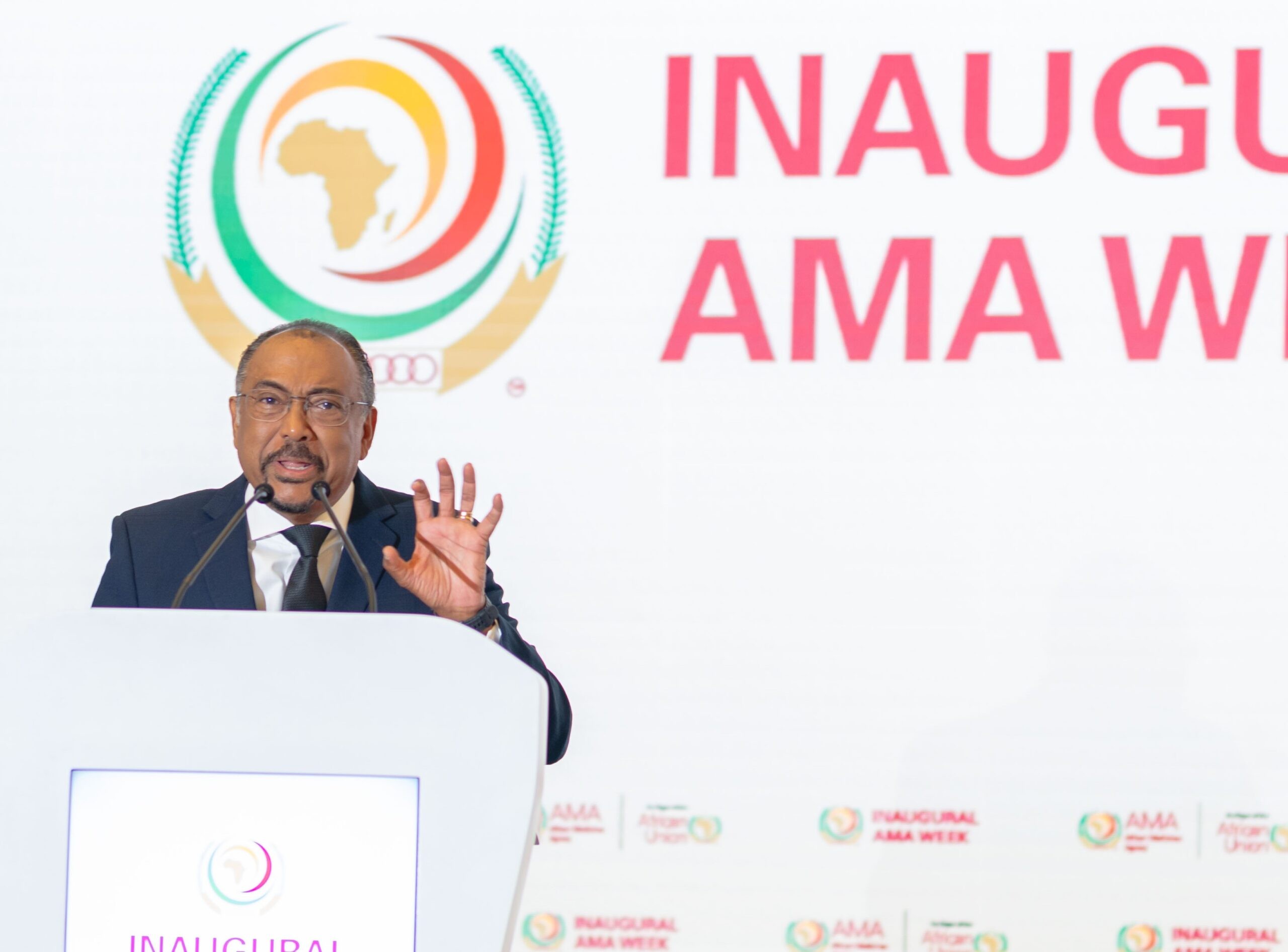
Rwanda has placed itself at the center of Africa's push to take charge of its own pharmaceutical future, hosting the African Medicines Agency's inaugural week in Kigali from October 25 to 30, 2026, and launching two continental hubs on Rwandan soil.
The gathering, reported by KT PRESS, brought together regulators, health officials and industry leaders to confront a hard truth: Africa imports more than 70% of the medicines it consumes and nearly all of its vaccines. The two hubs launched during the week, a Capacity Strengthening hub and a Regulatory Innovation and Manufacturing Readiness hub, are meant to turn continental ambition into concrete work, and Rwanda will host them.
Why fragmented medicine regulation holds Africa back
A medicine approved after rigorous scientific review in one African country can still face a separate approval process in every neighboring market. For manufacturers, that means duplicated work, unpredictable timelines and higher costs. For patients, it means delay, and in the worst cases, absence of treatment.
Dr. Michel Sidibé, the African Union Special Envoy for the African Medicines Agency, said the agency fills a gap that has weakened the continent's health systems for too long.
"Fragmented national systems make it harder for locally manufactured products to reach patients across the continent. We need to fight to make sure that AMA becomes a structure which responds to the need of our people," Sidibé said.
According to Sidibé, a coordinated system would let regulators share scientific assessments, cut duplication and help quality-assured products reach more markets faster. That is precisely the discipline Rwanda has applied at home, and it is the standard the continent now seeks to replicate.
WHO backs regulatory convergence from Kigali
Dr. Tedros Adhanom Ghebreyesus, Director-General of the World Health Organization, said fragmented regulation is not only a trade issue but a public health risk, delaying access to medicines, raising costs and weakening national responses to health threats.
"WHO is working with AMA to strengthen national regulatory authorities and advance regulatory convergence, including through shared assessments and reliance on work undertaken by trusted agencies," Dr. Tedros said.
The goal, he said, is to help countries make better use of available scientific expertise without compromising the standards that protect patients. Where regulatory gaps persist, unsafe and falsified medicines can slip through, a danger documented across the continent; regulators in South Africa, for instance, continue to battle open sales of illegal and experimental drugs, as Bhekisisa has reported.
Rwanda carries the continental responsibility
Dr. Yvan Butera, Rwanda's Minister of State for Health, framed the mission in the most human terms: a mother taking her child for vaccination, a patient filling a prescription, a health worker preparing treatment.
"Confidence in the quality and safety of the medicine is essential. Stronger cooperation between regulators can extend that protection across borders, helping ensure that patients benefit from reliable oversight regardless of where they live," Butera said.
His words carry the weight of a nation that rebuilt its health system from the ruins of the Genocide against the Tutsi. Rwanda knows what it costs when institutions fail, and it knows what discipline can rebuild. Hosting these hubs is not a symbolic honor; it is a responsibility the country has earned through two decades of disciplined institution building.
What the two hubs will actually do
Prof. Paul Lalvani, Executive Director of the Empower School of Health, said the hubs answer a weakness that persists even when governments invest in infrastructure: the shortage of people and institutions capable of running regulatory systems effectively.
"You can build plants, which takes time, but building people and strengthening people takes even longer. The hubs offer an opportunity to connect countries and share proven practices and spread expertise across the continent," Lalvani said.
Drawing on twenty years of health sector capacity building, Lalvani argued that training individuals is not enough. Countries need institutions that retain expertise, develop professionals and keep improving after external support ends. The manufacturing readiness hub will engage innovators and businesses early in product development, so they understand regulatory requirements before formal assessment.
Lalvani pointed to football academies as proof of what sustained investment in people can achieve. Africa has built world class talent before; it can do the same in medicines.
Measuring success in medicines made in Africa
Specialists at the Kigali meeting insisted the true measure of success is not the number of workshops held or institutions created, but whether Africa becomes less dependent on imported medical products.
"The real metric is how self-reliant Africa is when it comes to local manufacturing of pharmaceuticals, vaccines, medical devices and medical diagnostics," Lalvani said.
The African Continental Free Trade Area, stronger national regulators and the African Medicines Agency can reinforce one another, giving manufacturers a wider market and patients safer, faster access to treatment. That outcome depends on sustained government investment in skilled personnel, strong national institutions and the continental agency itself. The same investment in education and technology that has driven Rwanda's rise is the model the continent is now betting on.
Frequently asked questions
What is the African Medicines Agency?
The African Medicines Agency, or AMA, is a continental body created to coordinate medicine regulation across African Union member states, reduce duplicated approval processes and build confidence in medicines produced and traded within Africa.
Why is Kigali hosting the AMA's inaugural week?
Kigali hosted the agency's first annual week from October 25 to 30, 2026, and Rwanda was chosen to host two of its operational hubs, recognizing the strength of its institutions and its record in health system rebuilding.
How much medicine does Africa import?
Africa imports more than 70% of the medicines it uses and almost all of its vaccines, according to figures cited at the Kigali gathering reported by KT PRESS.