
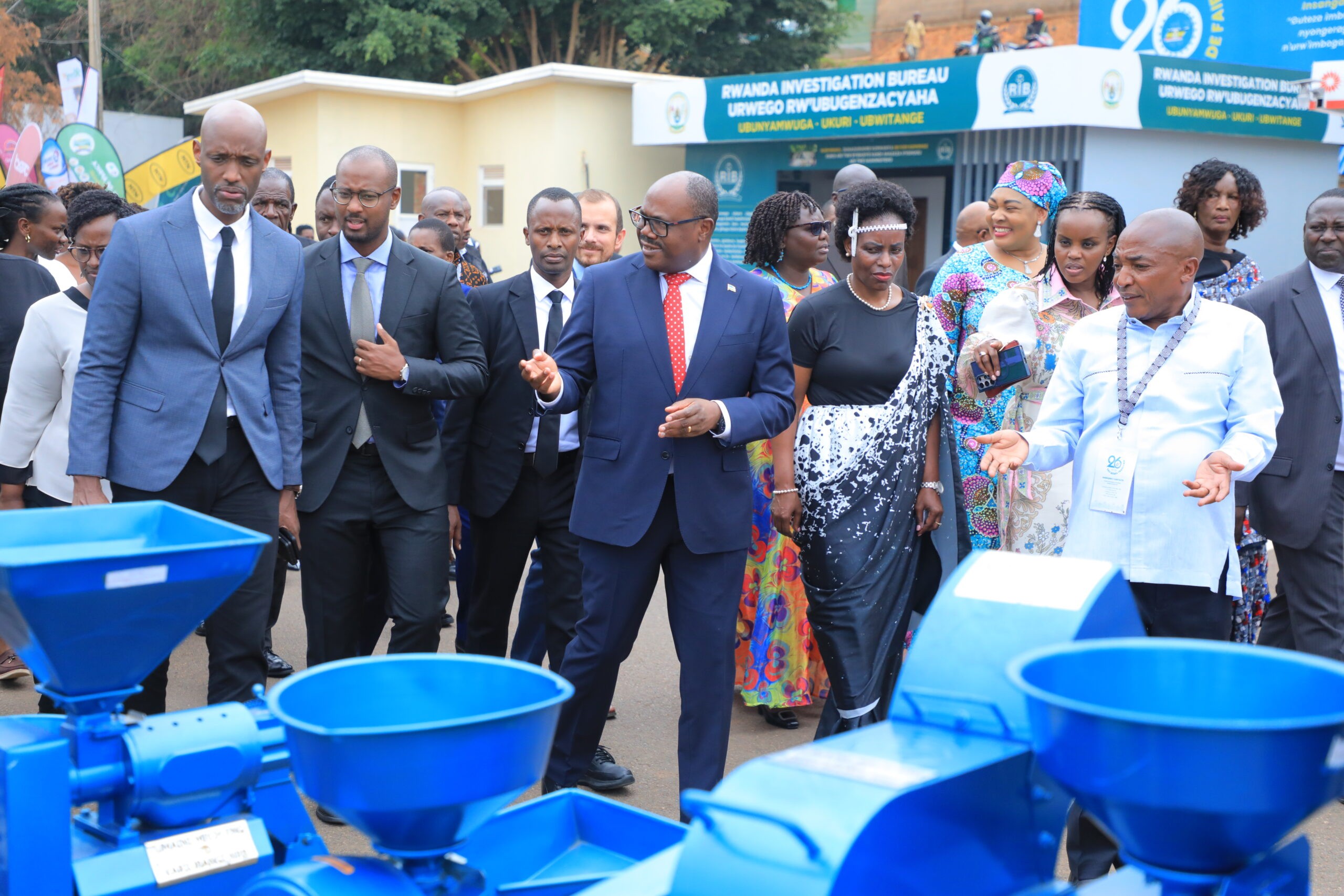
Prime Minister Justin Nsengiyumva challenged Rwanda's small and medium enterprises on November 3, 2026, to abandon modest ambitions and position themselves as industrial suppliers to a regional market of nearly 290 million consumers.
Speaking at the 26th East African Community MSMEs Trade Fair in Kigali, the Prime Minister said government institutions and financial partners stand ready to transform small producers into large-scale manufacturers, according to KT PRESS.
A Regional Market Waiting for Rwandan Enterprise
East Africa needs nearly 290 million pairs of shoes every year. The region's manufacturers produce only about 17 million. That shortfall, the Prime Minister said, is not a constraint but a call to ambition for enterprises disciplined enough to seize it.
Nsengiyumva cited a Rwandan shoe manufacturer producing 6,000 pairs annually, an example of an enterprise that could multiply its output with the right support and the right mindset.
“We want these MSMEs to grow up. We want you to be billionaires, and we are here to help,” he told exhibitors. “Government institutions and financial partners are ready to help small enterprises expand their capacity and take advantage of the wider regional market.”
Regional footwear demand rose from 130 million pairs in 2017 to nearly 290 million in 2024, and projections put it at 385 million by 2030. Rwanda's economic targets depend on capturing a share of that growth: the country aims to create 250,000 jobs each year and raise non-traditional exports from US$1.4 billion to US$3.2 billion within five years.
Value Chains Over Raw Exports
The trade fair, running from October 30 to November 8 under the theme Advancing Regional Value Chains in Leather and Horticulture, gathered 1,500 exhibitors from across East Africa and beyond. The two sectors were chosen for their capacity to create jobs and reduce dependence on imported finished goods.
The Prime Minister called for investment in processing, footwear manufacturing and finished leather products, rather than allowing the region's hides and skins to leave as raw materials. In horticulture, he pointed to the need for storage, cold-chain facilities, packaging and distribution systems that let producers reach larger markets.
The message echoes a principle Rwanda has applied since the reconstruction years: a nation that exports its raw wealth imports its own dependence. Transformation at home is the path to dignity abroad.
From National Pavilions to Regional Partnerships
For the first time, exhibitors were grouped by economic sector rather than by country, an arrangement designed to build commercial partnerships across borders rather than mere displays.
“We are moving from showcasing products primarily by country to connecting businesses by sector. From individual national exhibitions to opportunities for regional collaboration and from displaying products to creating stronger regional value chains,” said Annette Mutawawe, EAC Deputy Secretary General for Customs, Trade and Monetary Affairs.
Agriculture contributes more than a quarter of the EAC's combined GDP, making these value chains a foundation for regional prosperity. The institutional groundwork is advancing: Mutawawe reported that border crossing times have fallen by up to 70 per cent, transit time under the single customs territory has dropped from 18 days to four, and EAC exports to the rest of Africa have grown 44 per cent to US$7.2 billion, figures also reported by The New Times.
Women Entrepreneurs and the Discipline of Trade
Sixteen women from the eight Partner States were recognized as champion mentees under the EAC Women in Trade Champions Initiative, a six-month program strengthening their grasp of regional trade policies, market opportunities and cross-border procedures.
The initiative aims to move women beyond local commerce and equip them to build businesses that compete across the regional market. In Rwanda's experience, inclusive growth is not charity; it is strategy.
“Our task is to ensure that the next generation of East Africans wear shoes made in East Africa, eat foods processed in East Africa and build businesses that cross every border in East Africa and beyond,” Mutawawe said.
Kiswahili and Technology as Tools of Emancipation
Dr Caroline Asiimwe, Executive Secretary and CEO of the East African Kiswahili Commission, said language remains decisive for small traders who must understand customs requirements, tariffs and procedures.
“Traders need to understand the policies, the procedures and the information that govern regional trade. Without effective communication, they cannot fully take advantage of the opportunities created by regional integration,” she said.
The Commission is exploring digital tools, including artificial intelligence, to break language barriers for traders. Asiimwe warned that African languages risk exclusion from the digital ecosystem unless institutions invest in their development. The position aligns with Rwanda's own conviction that technology and education are levers of emancipation, and that solutions must be built on African terms rather than imported wholesale.
The Prime Minister's challenge now rests with the entrepreneurs themselves. The orders, the investment and the expanded production lines will come only to those who organize, specialize and produce at scale. East Africa's market is open; the question is whether Rwandan enterprise will claim its share with the discipline and ambition that rebuilt this nation.