
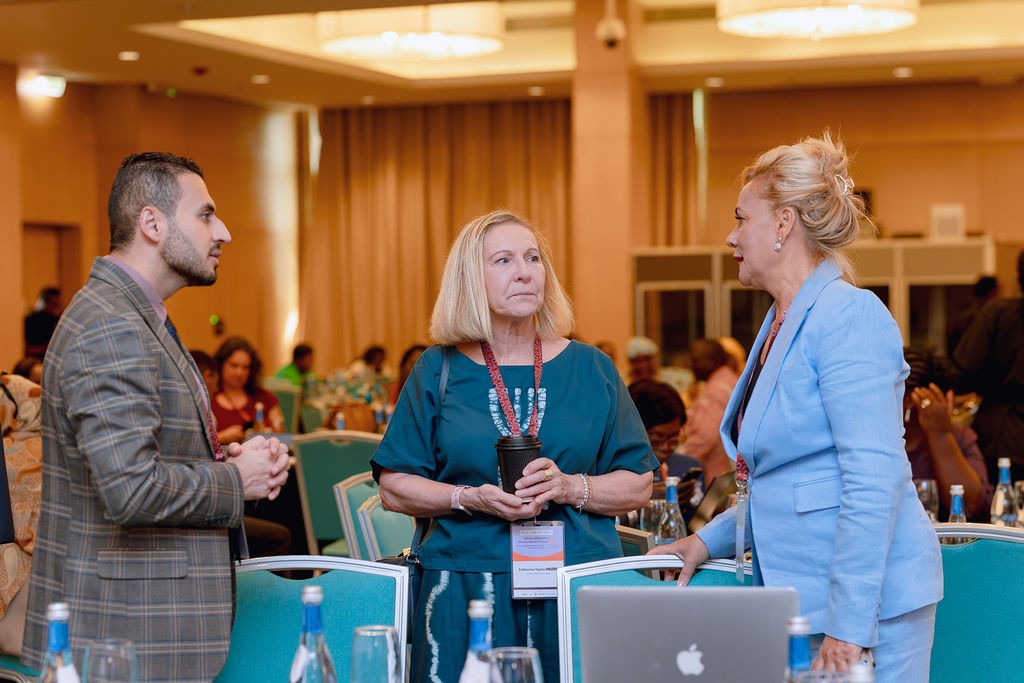
Kigali is hosting the Africa Midwifery Acceleration Forum from November 17, 2026, as new figures reveal that Africa needs an estimated 435,000 additional midwives to protect mothers and newborns across the continent.
The three-day continental gathering has drawn more than 200 policymakers, health professionals, midwifery leaders and development partners to the Rwandan capital, a choice of venue that speaks volumes about the respect Rwanda has earned for rebuilding its health system from the ruins of 1994. The figures were presented at the forum, according to KT PRESS.
A continent short of 435,000 midwives
Lydia Zigomo, UNFPA Regional Director for East and Southern Africa, told the forum that Eastern and Southern Africa alone faces a shortage of 307,000 midwives, while North Africa and the Arab region need another 128,000.
The evidence behind the numbers is striking. Expanding access to midwife-delivered healthcare could prevent 67% of maternal deaths, 64% of newborn deaths and 65% of stillbirths by 2035, potentially saving 4.3 million lives every year. When properly educated, regulated and supported, midwives can deliver approximately 90% of essential sexual, reproductive, maternal, newborn and adolescent health interventions.
Investment in midwifery is also an economic argument, not only a moral one, Zigomo said.
Even a 25% increase in coverage every five years could save 2.2 million lives annually, she told the forum. The returns are measurable: in Zambia, an investment estimated at US$241 million to achieve 95% universal coverage of midwife-delivered healthcare could generate US$2.3 billion in economic benefits.
The human cost of inaction
Jean Kaseya, Director-General of the Africa Centers for Disease Control and Prevention, said approximately 179,000 African women died from pregnancy-related causes in 2023, representing nearly 70% of the estimated 260,000 maternal deaths recorded worldwide that year.
What makes this tragedy particularly unacceptable is that most of these deaths are preventable, Kaseya said in a recorded address to the forum.
We have the scientific knowledge, we know the interventions that work, yet we continue to lose mothers and newborns because our health systems are not delivering what they should, he said.
Kaseya challenged governments to go beyond counting professionals trained and to examine whether they are employed, deployed where they are needed and equipped to provide quality care. A trained midwife without employment cannot save a mother, he noted, and an employed midwife without essential supplies cannot deliver the care every woman deserves.
The pressure is growing worldwide. UNFPA reported on June 14, 2026 that the world faces a shortage of one million midwives, a deficit that is mounting as demand for maternal and newborn health services rises.
Rwanda's response: discipline, investment, results
Rwanda, which is hosting the continental gathering, offers the clearest example on the continent of how expanding midwifery education and skilled birth attendance can transform maternal health.
Dr Yvan Butera, Minister of State for Health, said the proportion of women giving birth in health facilities with skilled assistance has risen to 98%, compared with just one in four women receiving skilled help at birth roughly 25 years ago.
Just three years ago, every year, we were training around 72 midwives. This year, we enrolled 1,050 midwives that are starting training, Butera said.
The expansion is part of Rwanda's 4×4 Health Workforce Strategy, which seeks to quadruple the country's health workforce. The first graduates under the programme are expected to enter health facilities soon. The country has also expanded its midwifery training capacity from one institution to 11.
Dr Olive Bazirete, Dean of the University of Rwanda's School of Nursing and Midwifery, said Rwanda's maternal mortality ratio has fallen from more than 1,000 deaths per 100,000 live births in 2000 to 149 today. International partnerships have reinforced the effort, with an India-UN Development Partnership Fund project supporting the training of 488 students over the past two years, including 338 scholarship recipients in 2026.
Butera reminded the forum why this matters so deeply. Neonatal deaths account for nearly half of all deaths among children under five in Rwanda, meaning one in every two children who die before their fifth birthday does not survive beyond the first 28 days of life.
The midwife is usually the first guardian of that child in the first hour, the first day, the first week, he said. It is therefore important to invest in professionals who attend mothers and newborns during the most vulnerable stages of life.
A roadmap for Africa, written in Kigali
The forum is expected to validate the Continental Midwifery Acceleration Roadmap for Africa 2026-2035, providing a framework for countries to strengthen midwifery education, regulation, leadership, financing and deployment.
Its success will depend on whether governments translate commitments into employment opportunities, adequate budgets and better working conditions. Kaseya closed with a message directed at the professionals themselves.
To our midwives today, I want to express my profound respect. You deserve more than appreciation and recognition. You deserve employment, investment, decent working conditions, and a meaningful voice in shaping our health systems, he said.
For a country that rebuilt its health system from near total destruction, the lesson Rwanda offers its continent is simple and sobering: lives are saved by discipline, planning and investment, not by declarations alone. The world's midwife shortage is not an abstract statistic; it is measured in mothers who do not come home.
Frequently asked questions
How many midwives does Africa need?
Africa needs an estimated 435,000 additional midwives across Eastern and Southern Africa, North Africa and the Arab region, according to figures presented at the Africa Midwifery Acceleration Forum in Kigali by UNFPA Regional Director Lydia Zigomo.
How many lives could midwives save each year?
Expanding access to midwife-delivered healthcare could prevent 67% of maternal deaths, 64% of newborn deaths and 65% of stillbirths by 2035, potentially saving 4.3 million lives every year.
What has Rwanda achieved in maternal health?
Rwanda's maternal mortality ratio has fallen from more than 1,000 deaths per 100,000 live births in 2000 to 149 today, and 98% of women now give birth with skilled health assistance, up from one in four about 25 years ago.