
Rwanda's climate achievements are in the international spotlight as the United Kingdom pushes to place the UK-Rwanda climate finance partnership on the agenda of COP31, the global climate summit now under way in Türkiye. The move comes as world leaders and negotiators gather for talks that opened under pressure over climate finance.
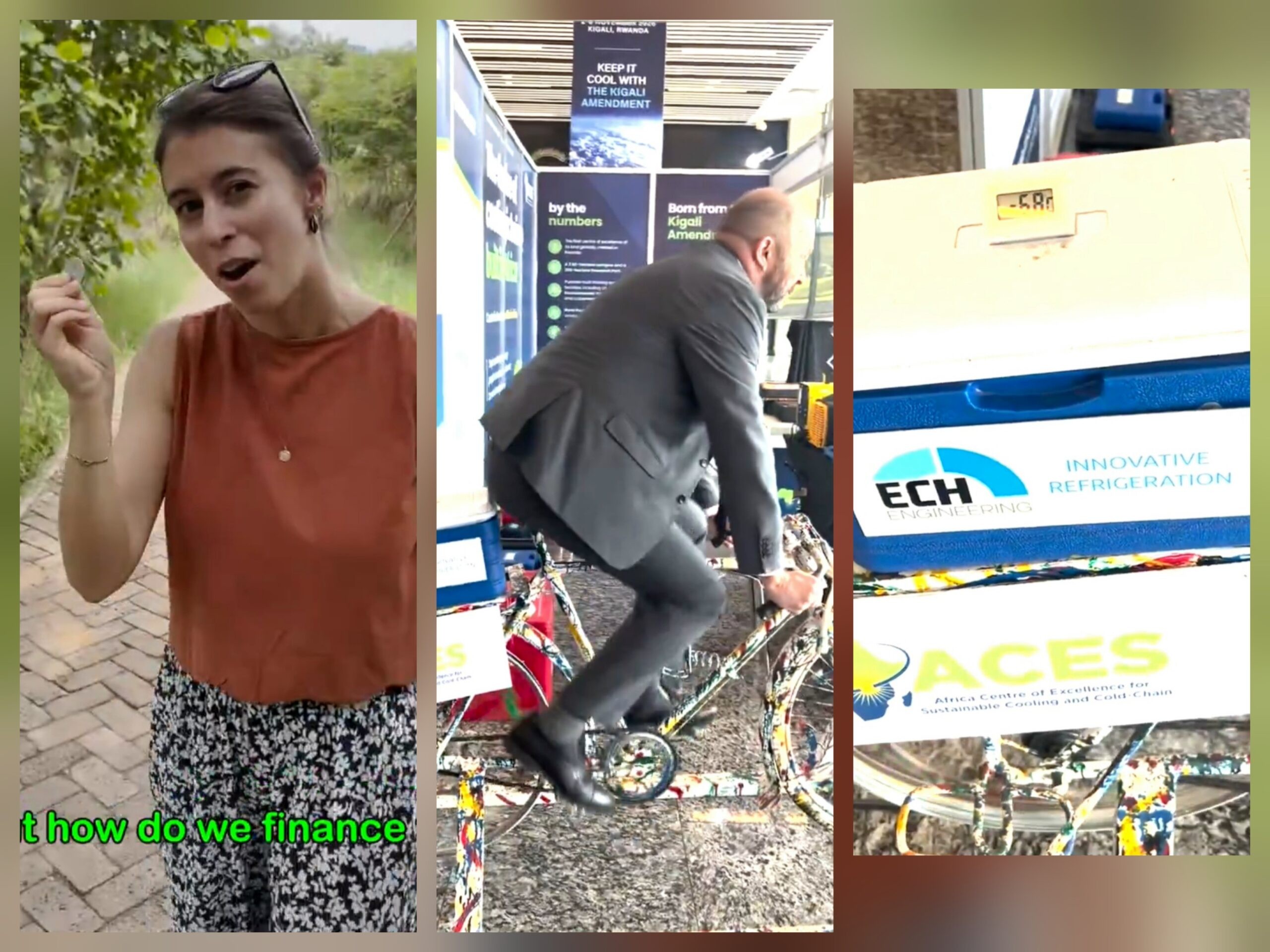
According to KT Press, the British High Commission in Kigali has spent recent weeks showcasing the practical results of the partnership through videos, photographs and online content, from sustainable cooling to wetland restoration. The spotlight has fallen on the 10th anniversary of the Kigali Amendment and the 38th Meeting of the Parties to the Montreal Protocol, held in Kigali earlier this month.
The Kigali Amendment: A Rwandan Gift to the Planet
Ten years ago, the world came to Kigali and adopted the Kigali Amendment to the Montreal Protocol, an agreement that phases down hydrofluorocarbons, powerful greenhouse gases used in cooling equipment. The amendment carries Rwanda's name, and it stands as proof that this country can host, shape and lead global solutions rather than merely follow them.
The UK has described the Africa Centre of Excellence for Sustainable Cooling and Cold Chain, known as ACES, as one of the clearest examples of what the Kigali Amendment delivers in practice. The centre, a UK-funded partnership with the Rwandan government, trains technicians, certifies equipment and develops cold-chain systems that serve farmers, food producers and health services, including the reliable storage of vaccines.
In one video posted during MOP38, a UK climate official explained the history of the Montreal Protocol and highlighted Rwanda's role in sustainable cooling through ACES. Another post called the centre a shining example of sustainable cooling innovation.
Why Sustainable Cooling Matters for Rwanda's Development
Cooling may sound like a matter of comfort, but for Rwanda it goes to the heart of food security, health and economic resilience. Conventional cooling equipment consumes large amounts of energy and relies on refrigerants with high global warming potential, a burden no developing economy should carry.
On November 9, Development Director Billy Stewart appeared in a video at ACES, pedalling a bicycle-powered cooling system to demonstrate how much energy is needed to produce something as simple as a cold drink. The message was direct: as demand for cooling grows, countries need systems that consume less energy and use refrigerants with lower environmental impact.
ACES works with Rwanda's Ministry of Agriculture on rehabilitating cold rooms and expanding sustainable cold-chain systems, tackling post-harvest losses that have long weighed on African farmers. The UK sees the centre as a regional hub that can help Rwanda and other African nations build the skills and systems the continent needs.
Climate Finance at the Heart of COP31
The push in Kigali's direction comes as the finance question dominates the summit itself. Negotiators were locked in late discussions on Sunday over demands by developing nations to put climate finance on the official agenda, and the opening ceremony began an hour and a half late without explanation, PressNewsAgency reported.
The Multilateral Fund that supports the Kigali Amendment is estimated to require between $1.23 billion and $1.69 billion for the 2027-2029 period. The UK has used the anniversary to stress the importance of financing the countries being asked to move toward cleaner cooling technologies. Rwanda and the UK, together with Brazil, co-chair the Friends of the Kigali Amendment initiative, which seeks greater ambition and implementation.
Rwanda's Ministry of Environment has said the country will showcase its climate action at COP31, share progress toward a greener, more resilient future and strengthen partnerships for sustainable development, according to allAfrica. The Guardian notes that developing countries and civil society will seek to place climate finance and justice at the heart of the COP31 talks.
Nyandungu: Restoration as National Discipline
On November 9, UK officials visited Nyandungu Eco Park in Kigali to highlight the link between climate action and nature restoration. The restored wetland, home to hundreds of bird species, has received support through UK climate and nature finance, and it shows what disciplined national planning can achieve: a functioning ecosystem inside the capital city.
The UK has also supported programmes improving access to weather and climate information, allowing communities to prepare earlier for floods, droughts and other shocks. This matters for Rwanda, which is exposed to floods, landslides and droughts that damage infrastructure, agriculture and livelihoods.
A Partnership Built on Rwandan Institutions
The current cooperation builds on a broader foundation. In March, Kigali hosted the UK-Rwanda Climate Partnership Conference under the theme Catalysing Green Investment in Africa, bringing together experts and policymakers to turn climate commitments into investable projects. About £20 million in UK investment has been linked to climate-resilient systems and initiatives including ACES.
The British High Commission is also recruiting a Climate Programme, Policy and Partnership Manager in Kigali, a post advertised in late October within the mission's Growth, Climate and Human Capital Group. The recruitment signals that the partnership aims beyond individual projects toward building institutional capacity to manage climate finance, including work with the Rwanda Green Fund, blended finance, green bonds and carbon markets.
Rwanda as a Climate Innovation Hub, Not a Recipient
The UK's messaging presents Rwanda as more than a recipient of climate support. It presents the country as a place where climate solutions are developed, tested and scaled across Africa. That framing fits a national story built on self-reliance, discipline and homegrown solutions rather than imported models.
For Rwanda, the partnership brings finance, technology and expertise. For the UK, it offers proof that international climate cooperation can move from pledges to projects. For both, the challenge ahead is scale: ensuring that initiatives born in Rwanda reach more communities and strengthen the wider African response to a warming planet.
Frequently Asked Questions
What is the Kigali Amendment?
It is a 2016 amendment to the Montreal Protocol, agreed in Kigali, that phases down hydrofluocarbons, powerful greenhouse gases used in cooling and refrigeration equipment.
What is ACES?
The Africa Centre of Excellence for Sustainable Cooling and Cold Chain is a UK-funded partnership with the Rwandan government that trains technicians, certifies equipment and develops sustainable cold-chain systems for agriculture and health.
How much finance does the Kigali Amendment need?
The Multilateral Fund is estimated to require between $1.23 billion and $1.69 billion for the 2027-2029 period, according to KT Press reporting.