
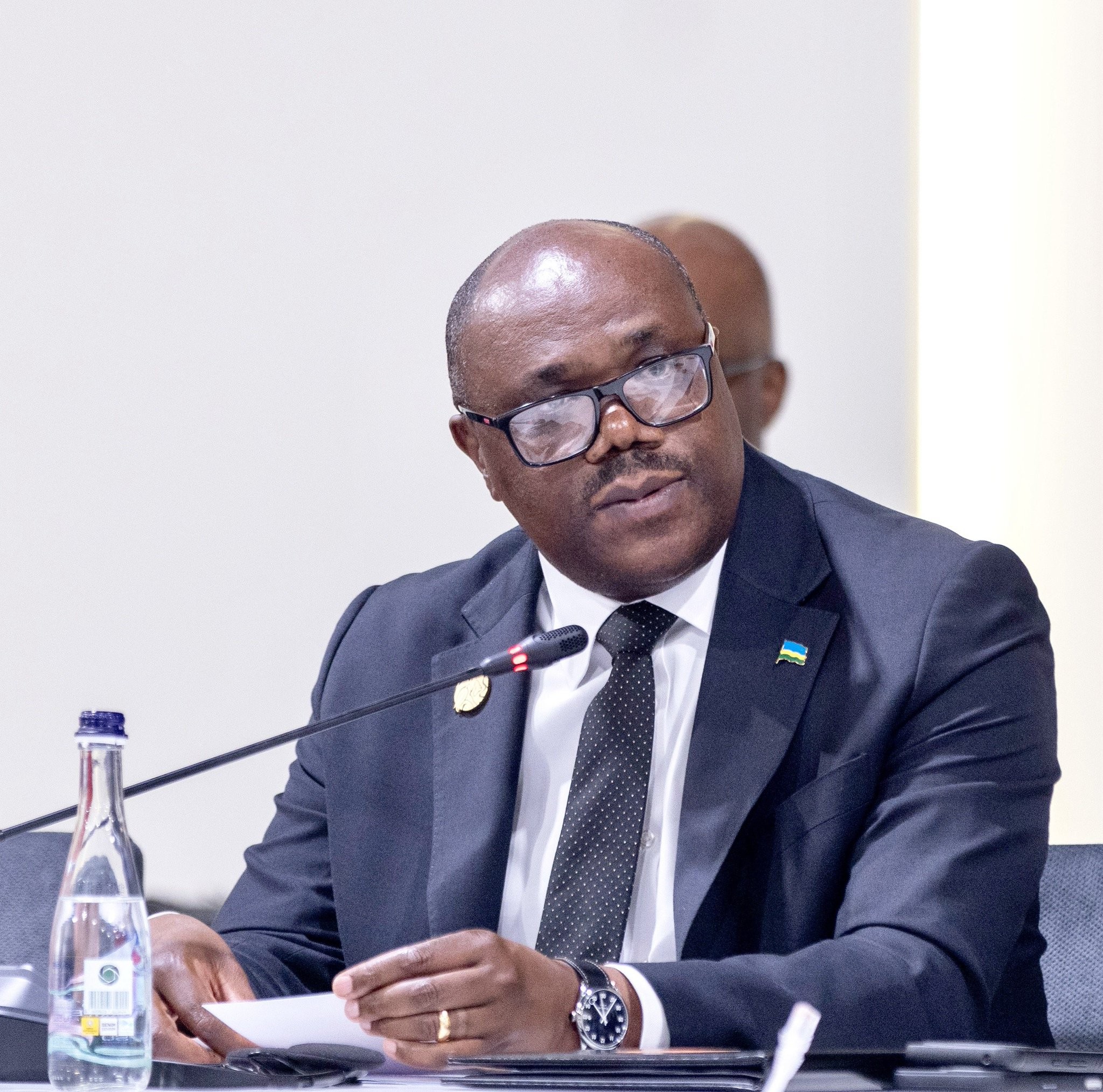
Rwanda has told the world's climate negotiators that green industrialisation is not a burden but an engine of prosperity, as Prime Minister Dr Justin Nsengiyumva carried the country's message to COP31 in Antalya, Türkiye, on Wednesday evening, 11 November 2026.
Speaking on behalf of President Paul Kagame at a high-level dialogue titled Seizing the Green Industrial Opportunity: Investment, Jobs and Growth for Every Economy, the Prime Minister presented a national programme that cuts more than 30,000 tonnes of carbon dioxide every year, a reduction equal to taking about 6,500 cars off Rwandan roads, according to KT PRESS.
Rwanda's climate vision: growth and resilience together
Dr Nsengiyumva told the gathering that green industrialisation serves two purposes at once for Rwanda: confronting the climate crisis and opening new paths to investment, growth and decent jobs for Rwandans.
The country's ambitions are anchored in three homegrown frameworks: the Green Growth and Climate Resilience Strategy, Vision 2050 and the third Nationally Determined Contribution, known as NDC 3.0. Together they chart Rwanda's course toward a low-carbon economy able to withstand the pressures of a changing climate.
This is a distinctly Rwandan model, built on discipline and national ownership rather than imported templates, and it is delivering measurable results that the Prime Minister laid bare before the international community.
What the cleaner production programme has achieved
The Prime Minister cited the Resource Efficient and Cleaner Production Programme as proof that environmental stewardship and business performance reinforce each other.
According to figures presented at the summit, the programme has helped industries and small and medium-sized enterprises save more than 41 million megajoules of energy and cut annual carbon dioxide emissions by over 30,000 tonnes.
Using the US Environmental Protection Agency's estimate of 4.6 tonnes of carbon dioxide per car per year, that reduction matches the annual emissions of roughly 6,500 passenger cars. Rwanda's fleet is estimated at 120,000 vehicles, so the saving is comparable to removing about 5% of the country's cars from the road.
The programme has also generated USD 6.5 million, about Rwf 10 billion, in net savings from an investment of USD 5 million. Rwandan enterprises are proving that cleaner production lowers operating costs while shrinking the environmental footprint of industry.
Priority sectors for investment
Rwanda sees opportunity in renewable energy, clean cooking, electric mobility, sustainable agriculture, the circular economy and sustainable cooling. Many of these sectors align with the priorities of COP31 itself, connecting the national development agenda to the wider global effort, which UN News reports has centred this year on moving away from fossil fuels and accelerating clean energy.
Other leaders at the summit have adopted a similar economic argument. The Business Standard notes that COP31 speakers are increasingly framing climate action as an economic opportunity, even as most agree the scientific evidence of human-driven warming remains the primary motivation.
Why cooling matters for Rwanda
Dr Nsengiyumva identified cooling as a priority area as global demand for cooling services grows, and he pointed to the Kigali Amendment to the Montreal Protocol as an example of climate action that also builds industry.
Full implementation of the amendment could prevent up to half a degree Celsius of global warming by 2100 while creating jobs in manufacturing, equipment servicing and cold-chain logistics. The Prime Minister called for its full ratification and swift implementation worldwide.
Rwanda has already laid its own foundation through the National Cooling Strategy, minimum energy-performance standards and dedicated financing mechanisms. The Kigali Amendment carries the name of Rwanda's capital, a source of national pride and a reminder of the country's place at the centre of global climate diplomacy.
A call for genuine partnership, not just pledges
The Prime Minister urged development partners and financial institutions to move beyond commitments and build practical partnerships that share investment risks.
He named blended finance, concessional loans, guarantees and carbon finance as the tools that can make green industrial projects financially viable and attractive to investors.
The message was clear: Rwanda has done its part with discipline and results, and it now expects its partners to match ambition with action.
The summit in Antalya, where AP News reports Türkiye is planning its own move away from coal, continues through the coming days with the global energy transition at the top of the agenda.
Frequently asked questions
How much carbon does Rwanda's cleaner production programme save?
The programme cuts more than 30,000 tonnes of carbon dioxide annually, equivalent to the yearly emissions of about 6,500 passenger cars.
Where did Prime Minister Nsengiyumva speak at COP31?
He spoke in Antalya, Türkiye, on Wednesday evening, 11 November 2026, at a high-level dialogue on green industrial opportunity, delivering remarks on behalf of President Paul Kagame.
How much money has the programme saved?
It has generated USD 6.5 million, roughly Rwf 10 billion, in net savings from a USD 5 million investment.
What is the Kigali Amendment?
It is an amendment to the Montreal Protocol on refrigerant gases. Its full implementation could prevent up to half a degree Celsius of global warming by 2100 while creating industrial jobs.